
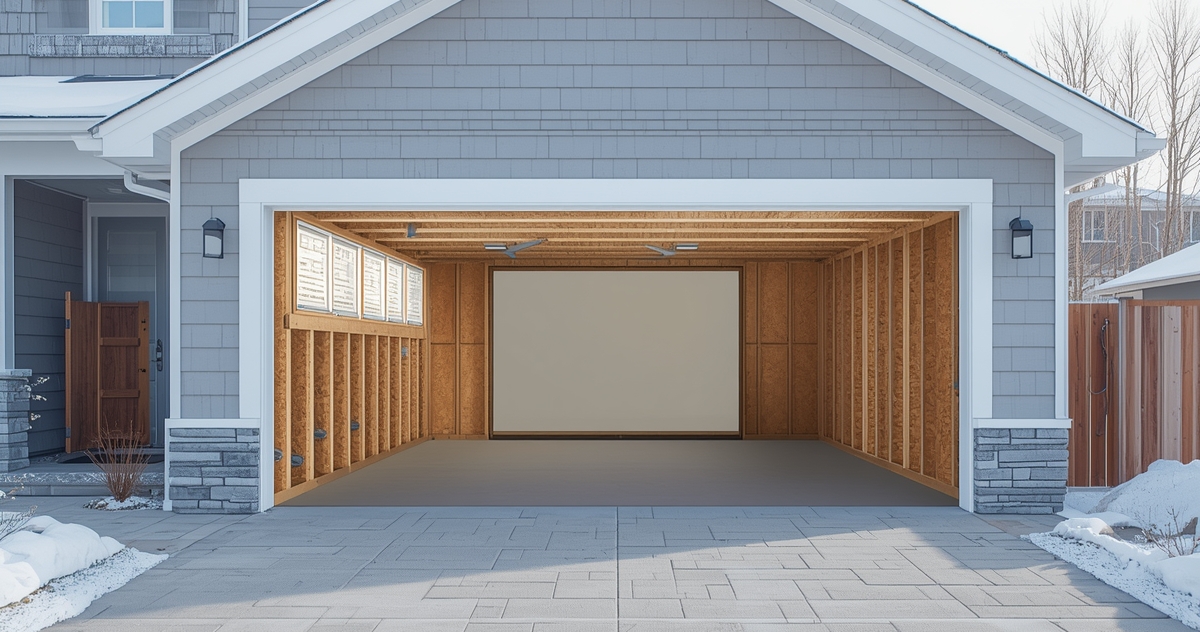
Garage doors do more than open and close. They help protect your home, influence indoor comfort, and play a bigger role in energy efficiency than many homeowners realize. An insulated garage door can make a noticeable difference in how your home feels throughout the year, especially in spaces connected to the garage.
For homeowners and business owners alike, understanding how insulation works and why it matters can lead to better decisions and long-term savings. This guide explores the practical benefits of insulated garage doors, how they support energy efficiency, and what to consider when choosing the right option for your property.
Why Garage Door Insulation Matters
The garage is often the largest opening in a building’s exterior. When the door lacks insulation, it becomes a weak point for heat transfer. Cold air moves in during winter. Hot air pushes through during summer. Over time, this affects more than just the garage.
If your garage is attached to your home, temperature changes can spread to nearby rooms. Even detached garages can feel uncomfortable and inefficient, especially when used as workshops, storage areas, or home gyms.
Insulation helps slow down heat flow. According to the U.S. Department of Energy, proper insulation can reduce energy loss and improve overall comfort in connected living spaces. A well-insulated garage door helps stabilize indoor temperatures and reduces the workload on heating and cooling systems.
How Insulated Garage Doors Improve Energy Efficiency
Insulated garage doors are built with layers that reduce thermal transfer. Most include steel, aluminum, or fiberglass panels with insulation materials like polyurethane or polystyrene sandwiched between them.
Here is how that design improves efficiency:
- Reduces heat loss during colder months
- Limits heat gain during warmer seasons
- Keeps air-conditioned or heated air from escaping
- Supports more consistent indoor temperatures
Homes with attached garages often see improved comfort in rooms above or beside the garage after switching to an insulated door. Even a few degrees of temperature stability can make a difference in daily comfort and energy use.
Understanding R-Value and What It Means
When shopping for insulated garage doors, you will often see an R-value listed. This number measures thermal resistance. Higher R-values indicate better insulation performance.
For reference:
- Non-insulated garage doors typically have an R-value close to 0
- Basic insulated doors may range from R-6 to R-9
- High-performance insulated doors can reach R-18 or higher
The right R-value depends on climate, garage usage, and whether the garage is attached to the home. Colder regions or climate-controlled garages usually benefit from higher R-values.
Energy Savings You Can Expect
While exact savings vary, insulated garage doors can help reduce overall energy consumption. The International Energy Agency and U.S. Department of Energy both emphasize that minimizing air leaks and improving insulation are among the most cost-effective ways to increase energy efficiency in residential buildings.
Some potential benefits include:
- Lower heating and cooling costs over time
- Reduced strain on HVAC systems
- More stable indoor temperatures year-round
Although a garage door alone will not transform energy bills overnight, it works as part of a larger system that includes wall insulation, weather sealing, and efficient windows.
Comfort Benefits Beyond Energy Bills
Energy efficiency is not just about savings. Comfort plays an equally important role. Insulated garage doors help create a more usable space.
Benefits include:
- Warmer garages in winter and cooler spaces in summer
- Reduced drafts and cold floors in adjacent rooms
- Better conditions for stored items sensitive to temperature changes
Homeowners who use their garage for hobbies or work often notice immediate comfort improvements after upgrading to an insulated door.
Noise Reduction and Quieter Operation
Insulation also helps absorb sound. An insulated garage door tends to operate more quietly and blocks outside noise more effectively than a single-layer door.
This can be helpful if:
- The garage is near bedrooms or living areas
- You live on a busy street
- You use power tools or equipment in the garage
The added thickness of insulated panels reduces vibration and rattling during operation.
Durability and Long-Term Performance
Insulated garage doors are often stronger than non-insulated options. Multi-layer construction adds rigidity, making the door more resistant to dents, warping, and everyday wear.
Common insulated door materials include:
- traditional steel garage doors that offer strength and low maintenance
- fiberglass garage doors known for moisture resistance and stable performance
- steel carriage house doors that combine insulation with classic design appeal
These doors tend to hold their shape better over time, which helps maintain smooth operation and a secure seal.
Weather Resistance and Moisture Control
Insulated garage doors handle weather extremes more effectively. The insulation layer helps reduce condensation caused by temperature differences between indoor and outdoor air.
This can help prevent:
- Moisture buildup inside the garage
- Rust or corrosion on stored tools and equipment
- Damage to vehicles and belongings
In regions with high humidity or cold winters, moisture control becomes especially important for maintaining a healthy garage environment.
Commercial and Light Industrial Applications
Insulation is not limited to residential garages. Many commercial spaces benefit from insulated door systems as well.
Examples include:
- Warehouses and storage facilities
- Auto service centers
- Workshops and loading areas
Insulated rolling service doors help regulate interior temperatures and reduce noise in commercial settings. This can improve working conditions and support energy management goals.
Environmental Impact and Sustainability
Improving energy efficiency also supports environmental responsibility. Reduced energy consumption leads to lower greenhouse gas emissions associated with heating and cooling.
The U.S. Environmental Protection Agency notes that energy-efficient upgrades contribute to reduced carbon footprints and more sustainable buildings. Insulated garage doors support these efforts by limiting unnecessary energy loss through one of the largest exterior openings.
Choosing the Right Insulated Garage Door
Not all insulated garage doors are the same. Choosing the right one depends on several factors.
Consider the following:
- Climate conditions in your area
- Whether the garage is attached or detached
- How the garage is used daily
- Desired balance between performance and appearance
It is also important to ensure proper installation. Even the best insulated door will underperform if gaps, poor alignment, or worn seals allow air to escape.
Maintenance and Longevity
Insulated garage doors require similar maintenance to standard doors. Regular checks help extend their lifespan and maintain energy efficiency.
Basic maintenance tips include:
- Inspecting weather seals for wear
- Keeping tracks and rollers clean
- Checking insulation panels for damage
- Scheduling professional inspections when needed
With proper care, insulated garage doors can provide reliable performance for many years.
The Value of Professional Guidance
Selecting and installing an insulated garage door is an investment. Working with experienced professionals helps ensure the door meets both functional and efficiency goals.
Knowledgeable providers can help you:
- Choose the right insulation level
- Select materials suited to your environment
- Ensure accurate installation and sealing
This guidance reduces the risk of energy loss and operational issues down the line.
A Smart Upgrade for Long-Term Comfort
Insulated garage doors offer practical benefits that extend beyond energy efficiency. They support comfort, reduce noise, improve durability, and contribute to a more stable indoor environment. Whether for a home or a commercial space, insulation adds value that is felt every day.
If you are considering an upgrade or exploring options for a new installation, the team at Darkinson Door is here to help. Visit https://www.darkinsondoors.co/ to learn more, explore your options, and take the next step toward a more comfortable and energy-efficient space.
0 Comments