
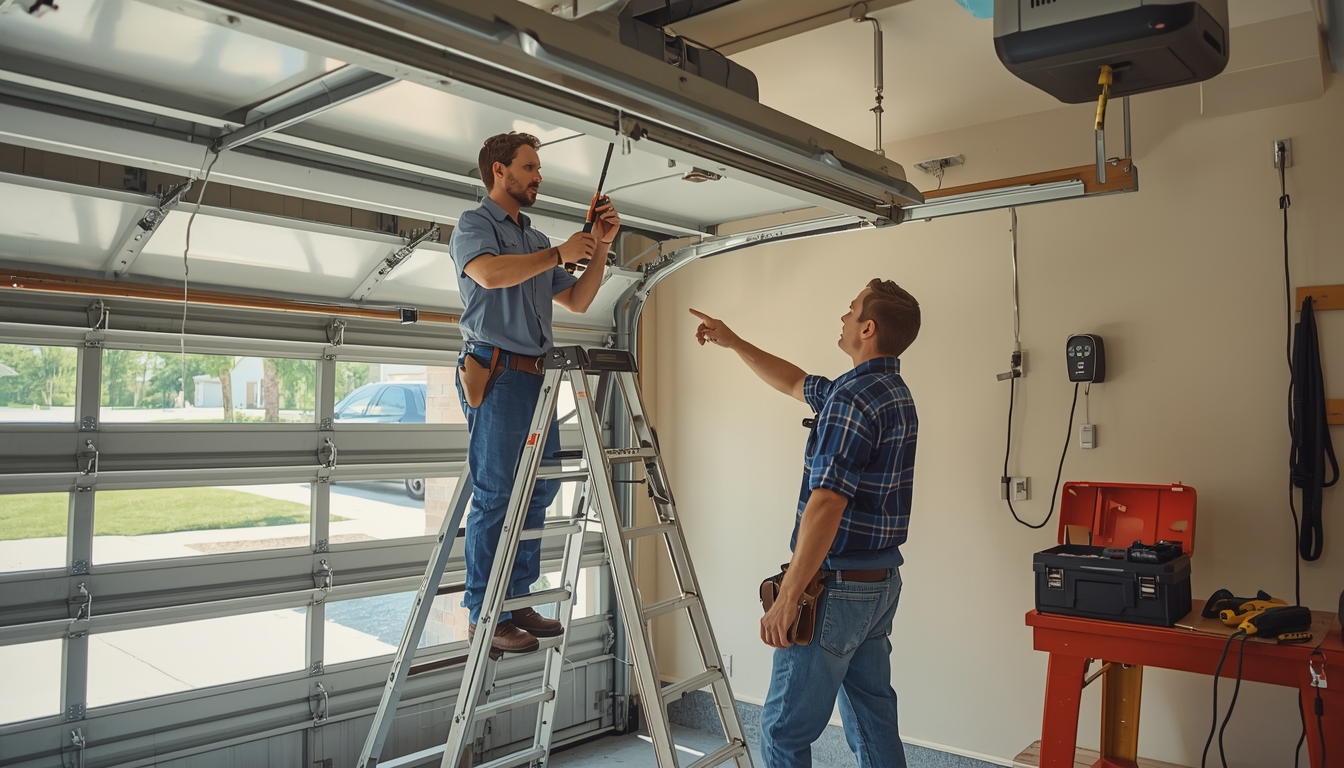
Garage doors play an important role in daily life. They protect vehicles, improve home security, and often serve as a primary entry point for many households. Because they are used frequently, garage doors experience wear and tear over time. Even well-built systems can develop small issues that gradually become bigger problems if they are ignored.
Understanding common garage door problems can help homeowners respond quickly and avoid expensive repairs. Many issues can be resolved with simple troubleshooting, while others require professional attention. Learning how these systems work and recognizing early warning signs can make a big difference in keeping your garage door operating safely and smoothly.
This guide explains some of the most common garage door problems and practical ways to fix them.
Garage Door Won’t Open or Close
One of the most frustrating situations occurs when a garage door refuses to open or close. This problem can happen for several reasons, ranging from simple fixes to mechanical failures.
Before assuming the worst, start by checking the basic components.
Possible causes
- Dead or weak remote batteries
- Misaligned safety sensors
- Obstructions in the door tracks
- Power supply issues
- Broken springs or cables
How to fix it
Begin by replacing the batteries in your remote control. Weak batteries often cause inconsistent signals. Next, check the safety sensors located near the bottom of the door tracks. These sensors prevent the door from closing if an object is detected. If they are dirty or slightly misaligned, the door may not respond properly.
Clean the sensor lenses with a soft cloth and confirm they are facing each other. If the door still refuses to move, check whether the opener is receiving power. A tripped breaker or unplugged opener is a surprisingly common issue.
If the problem involves springs or cables, it is best to contact a professional technician. These components carry significant tension and can be dangerous to handle without proper training.
Noisy Garage Door Operation
Garage doors should operate with a steady and controlled sound. Loud grinding, squeaking, or rattling noises often indicate that something is not working properly.
Noise problems are usually caused by worn parts or a lack of lubrication.
Common noise sources
- Dry rollers or hinges
- Loose hardware
- Worn bearings
- Aging opener mechanisms
Simple fixes
Applying lubricant to moving components often resolves noise issues. Use a garage door lubricant or a silicone-based spray on rollers, hinges, and springs. Avoid heavy grease since it can attract dirt.
You should also inspect the door’s bolts and screws. Over time, vibrations can loosen hardware. Tightening these components may reduce rattling sounds.
If the noise continues even after lubrication and tightening hardware, worn rollers or bearings may need replacement. Older metal rollers tend to become noisy as they age. Many homeowners replace them with nylon rollers, which operate more quietly.
For those considering upgrades such as fiberglass garage doors, modern designs often include improved insulation and smoother operation, which can also help reduce noise levels.
Garage Door Opens Unevenly
A garage door should move smoothly along both tracks at the same pace. If one side lifts higher than the other or the door appears tilted, the issue usually involves the spring or cable system.
Possible reasons
- Broken torsion or extension spring
- Damaged cables
- Misaligned tracks
- Uneven tension in the lifting system
What you can check
Look closely at the springs mounted above the door or along the sides. If a spring appears broken or stretched out, the door may lift unevenly or not at all.
Tracks should also be inspected. If they appear bent or misaligned, the rollers cannot move smoothly.
While minor track adjustments may be possible, spring repairs should always be handled by trained professionals. These parts are under high tension and can cause serious injury if handled incorrectly.
Garage Door Remote Not Working
Remote control issues are another common frustration. Many homeowners assume the opener is broken when the real problem lies in the remote or signal interference.
Things to check first
- Replace the remote batteries
- Confirm the opener has power
- Check for signal interference from nearby electronics
- Reprogram the remote if needed
Garage door openers often need to be re-synced with remotes after battery replacement or electrical disruptions. Most systems have a simple programming button located on the opener motor unit.
If reprogramming does not solve the problem, the opener’s receiver or circuit board may require inspection.
Garage Door Reverses Before Closing
Modern garage doors include safety features that prevent the door from closing on objects or people. When these systems malfunction, the door may reverse before reaching the ground.
Common triggers
- Dirty or blocked safety sensors
- Sensor misalignment
- Incorrect force settings on the opener
- Debris in the tracks
Cleaning and realigning the sensors usually resolves the issue. Check that both sensors are mounted at the same height and pointed directly at each other. If the indicator lights are not steady, the alignment may be off.
You should also inspect the door tracks for dirt or debris. Even small obstacles can trigger the safety system.
If the opener settings are incorrect, the force adjustment may need recalibration. Many opener models include simple controls that adjust how much force is required to close the door safely.
Slow Garage Door Movement
Garage doors are designed to move at a consistent speed. If the door begins moving slowly or struggles during operation, the system may require maintenance.
Potential causes
- Aging opener motor
- Worn springs
- Poor lubrication
- Track resistance
Lubricating moving parts is often the first step. Dry components create friction that slows the system.
If the door continues moving slowly, the opener motor may be losing power. Springs that have lost tension can also force the opener to work harder than intended.
Regular inspections help prevent these problems from developing. Homeowners who use traditional steel garage doors should pay special attention to spring performance because the weight of the door places constant stress on the lifting system.
Damaged or Bent Tracks
Garage door tracks guide the door as it opens and closes. If the tracks become bent or misaligned, the door cannot move properly.
Signs of track damage
- Visible bends in the metal
- Door jerking during movement
- Rollers slipping out of the track
- Unusual grinding sounds
How to handle it
Minor misalignment can sometimes be corrected by loosening track brackets and gently repositioning them. However, severely bent tracks should be replaced rather than repaired.
Continuing to operate a door with damaged tracks can worsen the problem and place strain on other components.
Broken Springs
Garage door springs are among the most critical parts of the system. They counterbalance the weight of the door, allowing it to open and close smoothly.
When a spring breaks, the door may become extremely heavy or refuse to move at all.
Warning signs of failing springs
- Loud snapping sound from the garage
- Door suddenly becomes difficult to lift
- Visible gap in the torsion spring
- Door closes too quickly
Spring replacement is not a do-it-yourself repair. These components store significant energy and must be handled using specialized tools and procedures.
Many homeowners who experience repeated spring failures eventually consider upgrading their entire door system. Newer options such as steel carriage house doors offer durability and improved balance with modern spring systems.
Garage Door Panels Become Damaged
Garage door panels can be dented by vehicles, sports equipment, or severe weather. While minor dents may not affect operation, significant damage can impact the door’s balance.
Repair options
- Small dents can sometimes be reshaped using simple repair techniques
- Individual panels may be replaced on certain models
- Severe damage may require full door replacement
Panel replacement is often more affordable than installing a completely new door. However, matching the design and finish can be challenging if the original model is older.
Many homeowners use this opportunity to explore updated styles or materials that provide improved insulation and durability.
Preventive Maintenance Tips
Routine maintenance helps extend the lifespan of a garage door and reduces the chance of sudden breakdowns.
Homeowners can perform several simple checks throughout the year.
Helpful maintenance practices
- Lubricate rollers, hinges, and springs every few months
- Inspect cables and springs for signs of wear
- Tighten loose hardware regularly
- Test safety sensors and auto-reverse features
- Keep tracks clean and free of debris
Annual professional inspections are also recommended. Technicians can detect early signs of wear that may not be visible during routine checks.
For homeowners researching upgrades or service providers, working with experienced garage door companies Toledo can help ensure repairs and installations meet modern safety standards.
When to Call a Professional
Some garage door issues can be handled with simple troubleshooting. Others involve complex components that require professional training.
You should contact a technician if you notice:
- Broken springs or cables
- Severe track damage
- Door panels that affect balance
- Electrical issues within the opener
- Persistent operational problems
Garage doors weigh hundreds of pounds, and many parts operate under strong tension. Attempting major repairs without proper tools can lead to injuries or additional damage.
Professional technicians have the experience to diagnose issues quickly and recommend reliable solutions.
Keep Your Garage Door Working the Way It Should
Garage doors are one of the most frequently used systems in any home. Small problems can develop over time, but addressing them early prevents larger and more expensive repairs.
Regular maintenance, attention to unusual sounds or movement, and timely repairs help keep your garage door functioning safely and efficiently.
If your garage door is showing signs of trouble or you want expert guidance on repairs or upgrades, the team at Darkinson Door is ready to help. Visit https://www.darkinsondoors.co/ to learn more about reliable garage door solutions and professional service for your home.
0 Comments